Setting the Path for Sustainable Peace between Afar and Somali/Issa Communities
This project focused on bringing Afar and Issa/Somali intellectuals, leaders, and community members together to discuss sustainable peace. Activities included regional workshops, elite dialogue sessions, faith leaders’ consultations, and the creation of the Afar-Somali Peace Forum (AFSOM).
Introduction
The Afar–Issa/Somali conflict is one of the most protracted and violent disputes in the Horn of Africa, causing decades of human suffering, displacement, and destruction. Despite many attempts by successive governments, sustainable peace has remained elusive. In recent years, the conflict has intensified, widening in scope and claiming more lives.
Recognizing the urgent need for community-led solutions, the Afar Intellectual Association (AFIA), in partnership with the Umbrella for Somali Region Intellectuals (USRI) and with support from Conciliation Resources (UK), has launched a two-year peacebuilding project (2024–2026). This program seeks to harness the voices of intellectuals, elders, faith leaders, women, and youth to chart a new path for reconciliation.
Year 1: Building Foundations for Dialogue (2024–2025)
The first year of the project focused on listening and relationship-building. AFIA and USRI convened diverse groups of stakeholders to gather perspectives on the root causes of the conflict and possible pathways to peace.
Key activities included:
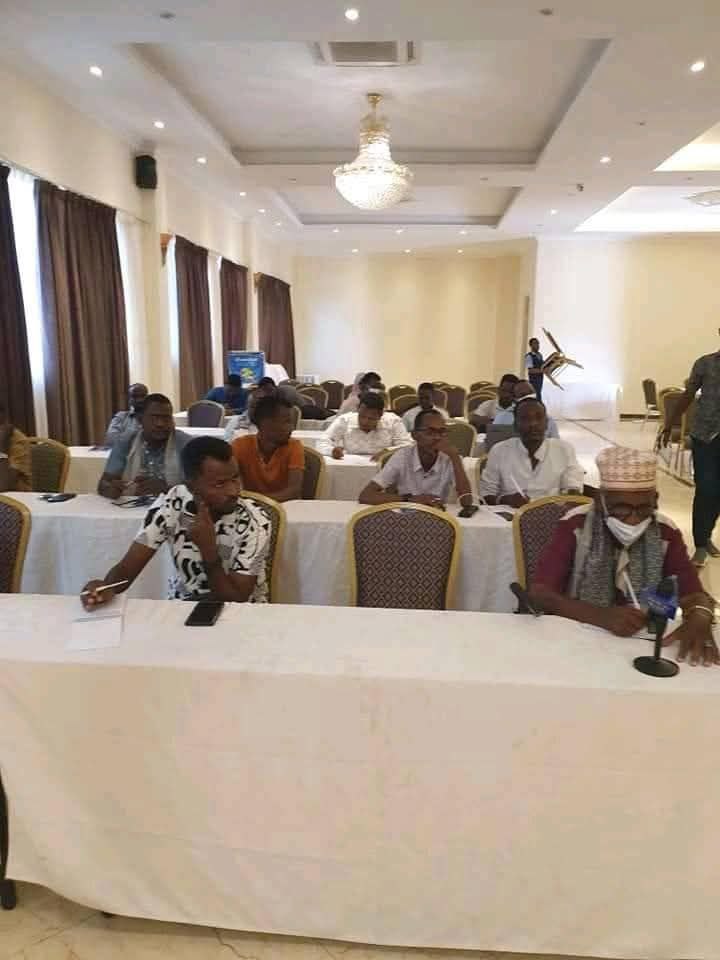
- A regional peace workshop in Samara with 30 intellectuals and scholars, exploring sustainable solutions.
- A dialogue session with Afar elites—politicians and community leaders—on ending the cycle of conflict.
- A faith leaders’ forum, bringing together 20 religious figures to share perspectives on reconciliation.
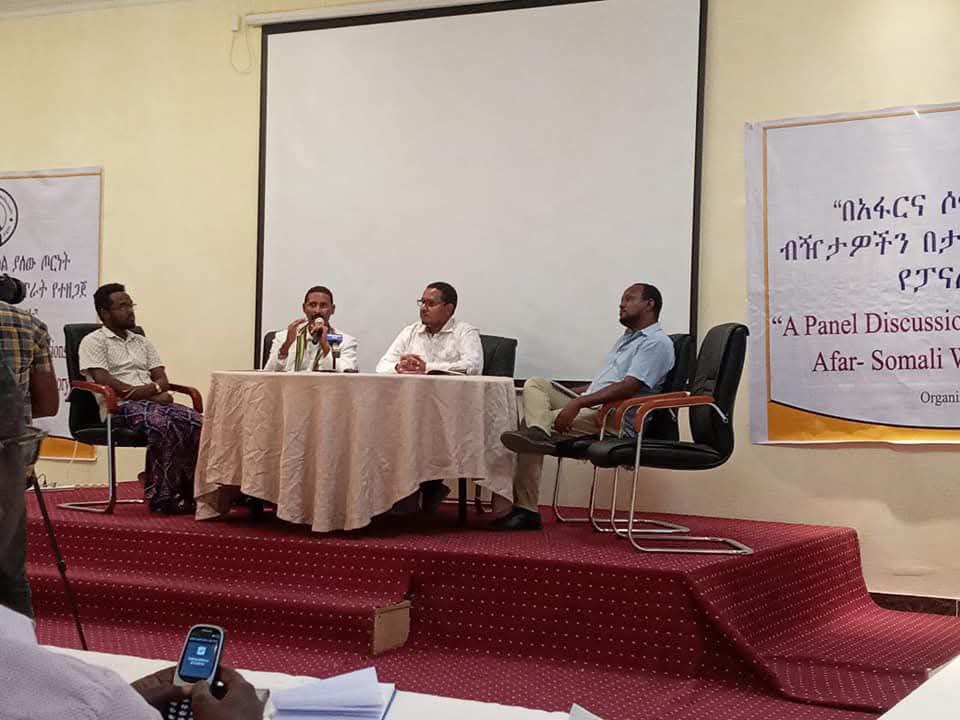
- A coordination meeting in Addis Ababa between AFIA and USRI, which produced a Strategic Roadmap and a commitment to establish a joint Afar–Somali Peace Forum (AFSOM).
This groundwork built trust between both sides and laid the foundation for continued collaboration.
Year 2: Expanding Reach and Strengthening Capacity (2025–2026)
Building on the successes of Year 1, the second year focuses on scaling up activities, strengthening institutions, and using media to counter harmful narratives that fuel division.
Key priorities include:
- Strengthening AFIA’s capacity: AFIA staff will receive advanced training on project management, Theory of Change, and monitoring and evaluation.
- Training dispute resolution bodies: Members of the Joint Peace and Dialogue Committee (JPDC) will be equipped with skills in conflict analysis and mediation.
- Promoting peace narratives through media: Journalists and social media activists will be trained to produce ethical, conflict-sensitive reporting and peace-oriented content.
- Launching AFIA’s website: A new online platform will share accurate information, debunk false narratives, and promote a culture of peace.
- Fostering religious solidarity: Exchange visits will bring Afar and Somali faith leaders together for joint peace-focused sermons and community dialogues.
Inclusion and Participation
From the beginning, the project has ensured the meaningful inclusion of women, youth, and marginalized groups. A balanced 50-50 gender ratio is sought across all workshops and dialogue sessions, and particular attention is given to youth leaders, minority communities, and pastoralist groups who have historically been excluded from peace processes.
Long-Term Vision
AFIA and USRI are committed to carrying this work beyond the project cycle. The signing of a memorandum of understanding (MoU) and the development of a joint roadmap ensure continuity and local ownership. By combining capacity-building, grassroots dialogue, and responsible media engagement, this initiative seeks not only to manage conflict but to transform relations between Afar and Issa/Somali communities for generations to come.
👉 This two-year project (2024–2026) reflects AFIA’s vision: empowering communities, amplifying local voices, and bridging divides for lasting peace in the Horn of Africa.